

When something’s wrong with your septic system, it has a way of letting you know, and it’s rarely subtle. From foul odors lingering to sewage backing up in your drains, septic tank issues can quickly go from unpleasant to unmanageable. Recognizing the early warning signs can help you avoid major damage, costly repairs, and health hazards.
At Jackson Plumbing, Heating & Cooling, we understand the difficulties of septic tank problems, so let’s take a look at the most common signs of septic tank failure and what to do if you notice them.
6 Signs of Septic Tank Problems
Sewage Backup in Drains or Toilets
One of the most obvious — and urgent — signs of a septic problem is sewage backing up into your sinks, tubs, or toilets. This usually means the tank is full, the drain field is clogged, or there’s a blockage in your system that needs professional attention right away.
Slow Drains Throughout the House
If multiple drains in your home are draining slowly, it may indicate your septic tank is struggling to keep up. Unlike a simple clog in a single pipe, this points to a broader issue within the septic system itself.
Foul Odors Around Your Property
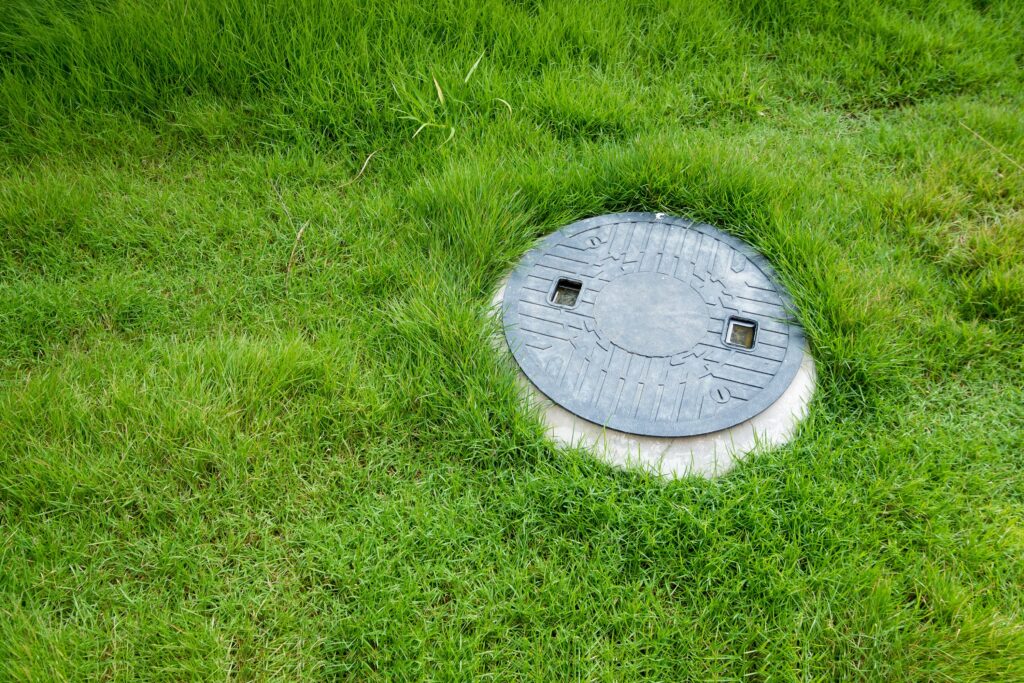
A healthy septic system should not produce strong smells. If you’re noticing a persistent sewer or rotten egg smell indoors or outside near your tank or drain field, it could mean there’s a leak or overflow happening underground.
Lush or Soggy Patches in the Yard
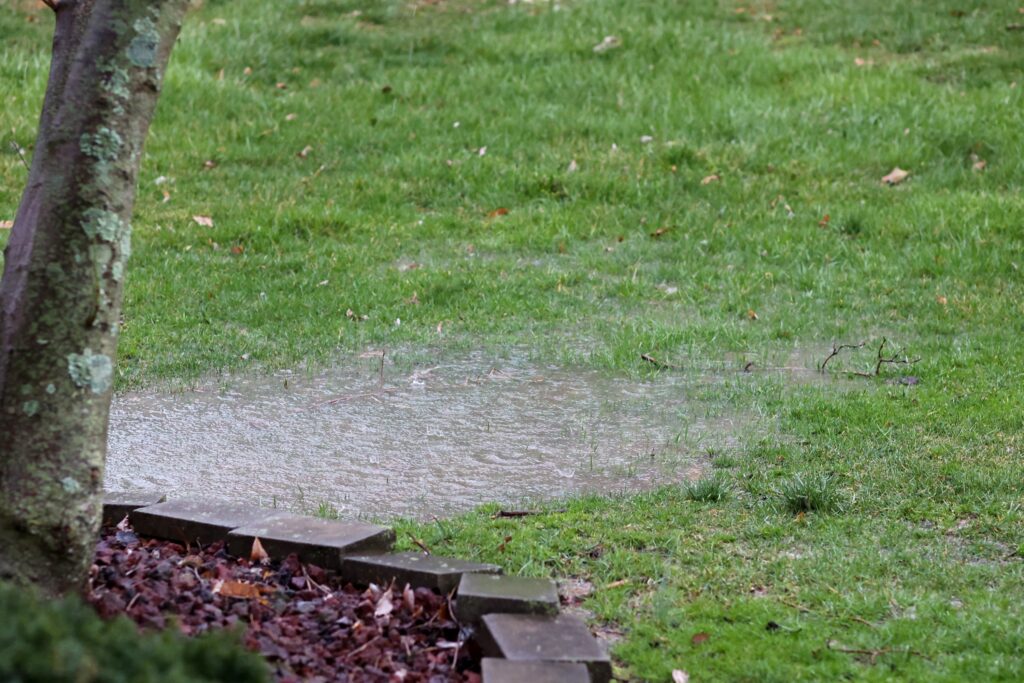
Excessively green or wet spots in your yard, especially near where your drain field is located, can mean wastewater is rising to the surface instead of being properly absorbed. This could be due to a saturated or failing drain field.
Gurgling Sounds in Your Plumbing
Unusual gurgling noises when you flush the toilet or use the sink may suggest air is trapped in your plumbing system due to a septic backup or improper drainage.
Frequent Need To Pump the Tank
If your tank needs to be pumped more often than recommended, there may be a bigger issue at play, such as an undersized tank, a damaged component, or water overloading the system.
What To Do When You Suspect Septic Tank Issues
If you notice any of the signs above, don’t wait! Call a licensed septic professional right away. Septic tank problems won’t fix themselves, and the longer you delay, the worse the damage can get. Raw sewage exposure, soil contamination, and property damage are just a few of the risks you take by putting off a repair.
While it may be tempting to try and troubleshoot the issue yourself, septic systems are complex and hazardous. Only a trained professional has the tools and knowledge to safely diagnose the problem and carry out repairs without making the situation worse.
Septic Tank Repair vs. Replacement vs. Pumping
Not every septic problem means you need a new system. Pumping may solve the issue when the tank is simply too full of accumulated solids and the rest of the system is working properly. Septic tank repairs in Huntsville or the surrounding areas may be appropriate when there’s a damaged pipe, baffle, lid, or another component that can be fixed without replacing the entire system.
However, a septic tank replacement may be necessary when the system is severely damaged, deteriorated, improperly sized, or no longer able to treat and disperse wastewater effectively.
How to Prevent Septic Tank Problems
Routine maintenance can help your septic system operate properly and reduce the likelihood of premature failure. Septic pumping in Huntsville and Decatur is recommended every three to five years, although the exact schedule depends on tank size, household size, and water usage.
Avoid flushing wipes, paper towels, feminine hygiene products, grease, and other materials that don’t break down easily, and be mindful of excessive water use that can overload the system. You should also protect the drain field by keeping vehicles and heavy equipment off the area, directing excess runoff away from it, and avoiding planting trees with aggressive roots nearby.
Call Jackson Plumbing for Septic Tank Services
If your septic system is showing signs of trouble, call the experts at Jackson Plumbing, Heating & Cooling. Our licensed technicians serve Decatur and the surrounding areas with fast, professional septic tank service you can count on. We offer same-day appointments, upfront pricing, and the experience to handle all your septic tank concerns.
Don’t wait for a small issue to become a big problem! Contact Jackson Plumbing today to schedule septic tank service in Decatur or surrounding areas.
Frequently Asked Questions
How often should a septic tank be pumped?
Most household septic tanks should be pumped about every three to five years, but the right schedule depends on tank size, household size, water usage, and how much solid waste enters the system. Regular inspections can help determine when your particular tank needs pumping.
What are the first signs of septic failure?
Early signs of septic trouble may include slow drains throughout the house, gurgling plumbing, unpleasant sewage odors, or unusually wet or green areas around the drain field. Addressing these symptoms early may help prevent sewage backups, property damage, and more extensive septic system problems.
Can a failing septic tank be repaired?
In many cases, yes, depending on what is causing the problem and the condition of the system. Issues such as damaged components, clogged lines, or certain tank problems may be repairable, while a severely deteriorated tank or failed drain field may require replacement.
What does a septic replacement involve?
A septic system replacement can involve more than simply installing a new tank. Depending on the condition and design of the existing system, the project may include removing or abandoning old components, excavating the property, installing a properly sized tank, repairing or replacing the drain field, and completing required inspections or permits. We can evaluate your setup and explain exactly what replacement would involve for your system.